
Scrapping a heat exchanger involves draining, cleaning, dismantling, and separating dissimilar metals like the tubes, shell, and tubesheet before transporting the materials to a scrap yard to be sold for their raw commodity weight. However, before you cut up your equipment, you should know that selling your unit intact to a specialized resale buyer typically pays significantly more than scrap value, as it preserves the engineered and functional worth of the equipment.
Surplus Heat Exchangers buys used and surplus heat exchangers nationwide — 100% upfront, with free rigging and freight, in any condition. Send a photo of the nameplate to 951-403-5738 for a same-day cash offer.
What Does Scrapping a Heat Exchanger Actually Involve?
When a plant undergoes a turnaround, upgrade, or decommissioning, facility managers are often left with surplus or decommissioned heat exchangers. The immediate thought for many is to send these massive pieces of industrial equipment straight to the scrap yard. But what does the process of scrapping a heat exchanger actually entail? It is rarely as simple as loading the unit onto a flatbed and driving it to a local metal recycler.
First, the heat exchanger must be thoroughly drained and cleaned. Industrial heat exchangers process a wide variety of fluids and gases, many of which are hazardous, corrosive, or toxic. Environmental regulations require that all residual chemicals, hydrocarbons, and other process fluids be completely neutralized and removed. This cleaning process alone can be labor-intensive and costly, requiring specialized contractors to ensure compliance with local and federal environmental standards.
Once the unit is clean and safe to handle, the dismantling process begins. Heat exchangers are complex assemblies engineered from multiple types of metals. A typical shell and tube heat exchanger might feature a carbon steel shell, stainless steel or titanium tubes, and a brass or specialized alloy tubesheet. Scrap yards pay based on the purity and type of the metal. If you deliver a fully assembled heat exchanger, the yard will classify it as"mixed metal" or"irony" scrap, which commands a drastically lower price.
To get the best possible scrap rate, your maintenance or turnaround team must manually dismantle the unit. This means cutting open the shell, extracting the tube bundle, and meticulously separating the dissimilar metals. The tubes must be separated from the shell, the tubesheet, and the baffles. This requires heavy cutting equipment, significant man-hours, and strict safety protocols.
Finally, after the labor-intensive process of dismantling and sorting, the separated metals must be loaded and transported to the scrap yard. You are responsible for the logistics, the freight costs, and the labor. Once at the yard, the materials are weighed, and you are paid strictly based on the current daily commodity weight of the raw metals.
Why Do Scrap Yards Pay the Lowest Baseline for Industrial Equipment?
If you have ever taken industrial equipment to a scrap yard, you may have been disappointed by the final payout. Scrap yards serve a specific purpose in the industrial lifecycle: they are the final destination for materials that have absolutely no remaining functional use. Because of this, they pay the absolute lowest baseline for your equipment.
The primary reason for this low valuation is that scrap yards only care about raw metal weight. They do not care about the engineering, the design, the ASME code stamps, or the operational history of the unit. To a scrap yard, a highly engineered, custom-built titanium heat exchanger is nothing more than a pile of titanium waiting to be melted down.
Furthermore, scrap yards heavily penalize mixed metals. If your team does not perfectly separate the carbon steel shell from the high-nickel alloy tubes, the scrap yard will downgrade the entire load. They have to factor in their own labor costs to separate and process the materials, which means they pass those costs directly onto you in the form of lower payouts.
When you choose to scrap, you are also taking on the entire burden of labor and logistics. The man-hours spent cleaning, cutting, sorting, and transporting the heat exchanger eat directly into whatever modest payout you receive from the yard. In many cases, once you calculate the cost of your team's time, the equipment wear and tear, and the freight charges, the net return from scrapping is negligible. You are essentially doing all the hard work just to hand over valuable industrial assets for a fraction of their true worth.
What Is the Hidden Cost of Scrapping Your Heat Exchanger?
Beyond the low payouts and high labor costs, there is a massive hidden cost to scrapping a heat exchanger: the destruction of its engineered and functional value.
Heat exchangers are precision-engineered pieces of critical infrastructure. They are designed to withstand extreme temperatures, high pressures, and corrosive environments. They are built to strict ASME codes and industry standards. The manufacturing process involves complex metallurgy, precise machining, and rigorous testing. When you cut up a heat exchanger for scrap, you instantly destroy all of that accumulated value.
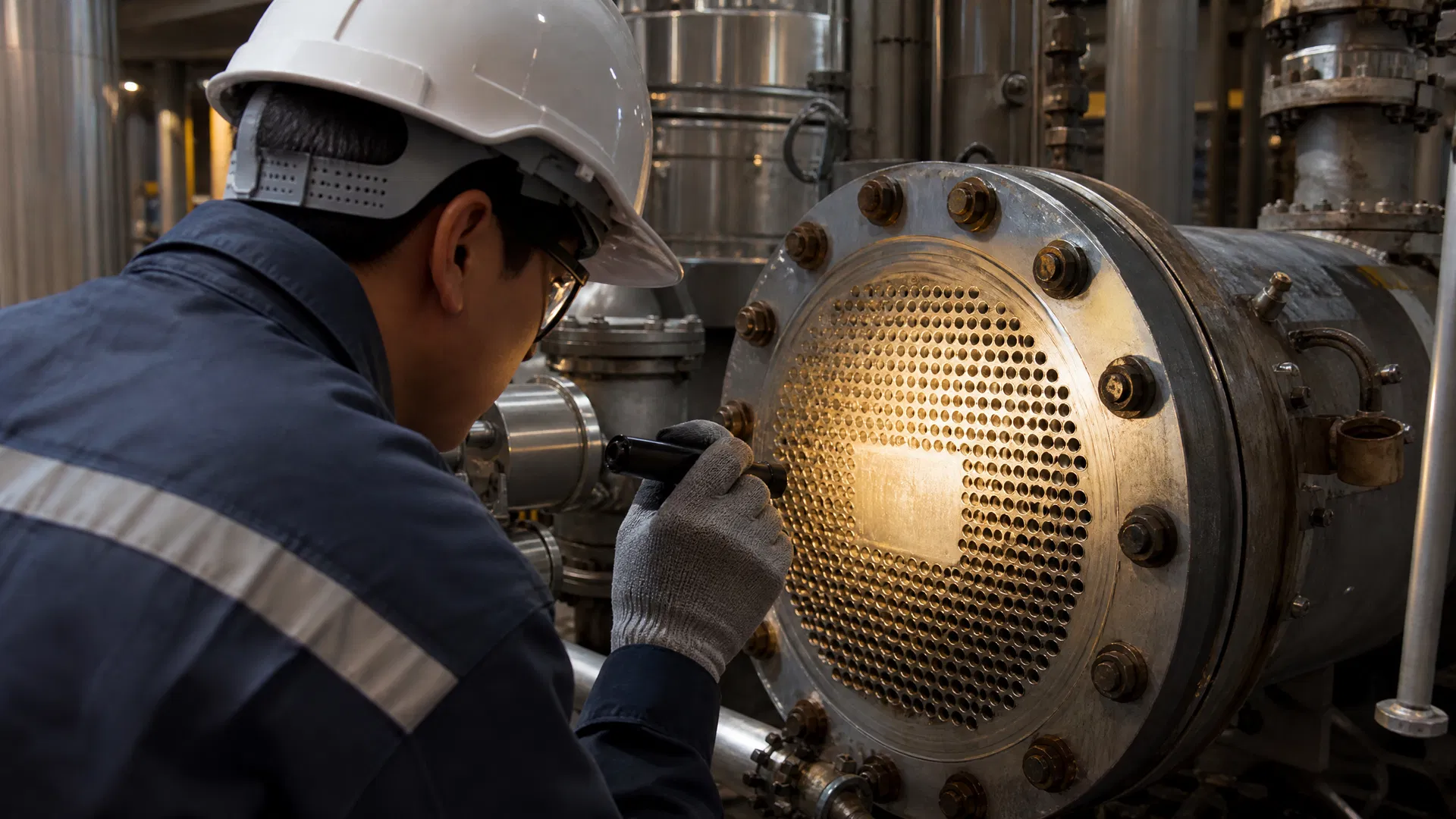
Consider the components of a typical shell and tube heat exchanger. The shell is a pressure vessel built to exact specifications. The tube bundle is an intricate assembly designed for optimal thermal transfer. The tubesheets and baffles are precisely machined to support the tubes and direct fluid flow. These components have immense value to other operating plants or to repair facilities that need replacement parts.
By reducing these engineered components to raw scrap metal, you are erasing the premium that comes with their functional utility. You are throwing away the value of the ASME code stamp, the value of the specialized alloys, and the value of the original manufacturing labor. This hidden cost is the difference between the scrap value of the metal and the resale value of the functional equipment. For facility owners and procurement teams looking to maximize the return on surplus assets, destroying this engineered value is a significant financial misstep.
The Alternative: Why Resale Buyers Pay a Premium Over Scrap
Fortunately, there is a far more lucrative alternative to the scrap yard. Selling your surplus or decommissioned equipment to a specialized resale buyer allows you to capture the engineered value of the unit. But why exactly do resale buyers pay a premium over scrap?
The answer lies in the secondary market for industrial equipment. A specialized buyer, like Surplus Heat Exchangers, does not melt down your equipment. Instead, we resell these units to operating plants that need immediate replacements to minimize downtime. More importantly, we supply repair, remanufacturing, and modification shops that desperately need recertified alloy tubes, tube sheets, baffles, and ASME-coded shells.
When a repair shop is tasked with rebuilding a heat exchanger, sourcing new materials can take months due to supply chain delays and manufacturing lead times. By purchasing used or surplus components from a resale buyer, these shops can acquire the necessary ASME-coded shells and high-quality alloy tubes in a fraction of the time. Because these components retain their functional and engineered value, they are worth significantly more than their raw metal weight.
As a direct resale buyer, we capture this premium and pass it on to you. We evaluate your heat exchanger based on its specifications, materials, condition, and market demand—not just its weight on a scale. This is why a direct resale buyer can consistently outbid a scrap yard. We see the unit for what it is: a valuable piece of industrial machinery, not just a pile of metal.
Furthermore, selling to a specialized buyer eliminates the labor and logistical headaches associated with scrapping. You do not need to spend man-hours cutting and separating dissimilar metals. You do not need to worry about mixed-metal penalties. A professional buyer will purchase the unit intact, exactly as it sits, preserving its value and saving your team countless hours of grueling labor.
When Is Scrapping Genuinely the Only Option?
While resale is almost always the more profitable route, there are specific scenarios where scrapping is genuinely the only viable option. It is important for plant managers and maintenance teams to recognize when a heat exchanger has reached the absolute end of its lifecycle.
- Severe Structural Failure: If a unit has suffered catastrophic damage, such as a ruptured shell or extensive internal collapse that compromises the integrity of the tubesheet, it may no longer be safe or practical to repair.
- Extreme Metallurgical Degradation: If the unit has experienced extreme corrosion or degradation that renders the alloys structurally unsound, it cannot be recertified for use in an operating plant or a remanufacturing shop.
- Hazardous Contamination: If a heat exchanger has been used in a process involving highly toxic, radioactive, or deeply embedded hazardous materials that cannot be safely and completely neutralized, it cannot be introduced into the secondary market. In these rare cases, the unit must be disposed of and scrapped according to strict environmental and safety regulations.
However, these situations are the exception, not the rule. Even units with minor leaks, fouled tubes, or cosmetic damage often retain significant value on the secondary market. Before you make the irreversible decision to cut up a unit, it is always wise to have it evaluated by a professional buyer. A resale valuation is free, and it ensures you are not leaving money on the table.
How to Protect Yourself When Selling Industrial Equipment
Whether you are dealing with a scrap yard, a broker, or a direct buyer, selling heavy industrial equipment involves significant financial and logistical considerations. As a facility owner or procurement professional, protecting your company's interests should be your top priority.
One of the most critical trust and safety tips in the industrial surplus market is to always get paid before your equipment leaves your facility. Unfortunately, the industry is not immune to bad actors. Some brokers or less reputable buyers may promise high payouts, only to renegotiate the price once the equipment arrives at their yard, claiming unexpected damage or discrepancies. Others may delay payment for weeks or months, leaving you chasing invoices for equipment you no longer control.
To protect yourself, always insist on a pay-as-you-go model. A reputable, well-capitalized buyer will pay 100% upfront, in cash or via wire transfer, before any rigging or shipping takes place. This ensures that the transaction is complete and your funds are secure before the heat exchanger ever leaves your property. If a buyer refuses to pay upfront or insists on payment terms after delivery, consider it a major red flag and walk away.
Additionally, work with buyers who handle their own logistics. Rigging and transporting a massive heat exchanger requires specialized heavy-haul freight and significant insurance coverage. A professional buyer will manage the entire removal process, providing the necessary insurance certificates and coordinating with your facility's safety team to ensure a smooth, incident-free extraction.
How to Sell Your Heat Exchanger for Maximum Value
If you have surplus, decommissioned, or used heat exchangers taking up valuable space at your facility, the smartest financial decision is to explore the secondary market before resorting to the scrap yard. By choosing to sell your heat exchanger to a specialized buyer, you can maximize your return, eliminate the labor of dismantling, and ensure a safe, seamless transaction.
At Surplus Heat Exchangers, we are a nationwide US company that buys used, new, and surplus heat exchangers for cash. We purchase units in any condition, whether they are pristine surplus or decommissioned units in need of repair. Because we supply operating plants and remanufacturing shops with the critical ASME-coded shells, baffles, tubesheets, and alloy tubes they need, we can pay a premium that scrap yards simply cannot match.
We make the process incredibly simple for your team. You do not need to clean, cut, or separate the metals. We buy the units intact. We pay 100% upfront before shipping, ensuring you have your funds securely in hand before the equipment leaves your site. Furthermore, we handle all the heavy lifting—managing the rigging, loading, and nationwide freight so your team can focus on their core responsibilities.
Stop leaving money on the table by settling for scrap value. If you are ready to turn your surplus equipment into immediate capital, we are ready to make an offer. Simply take a few clear photos of the unit, snap a picture of the manufacturer's nameplate, and reach out to our team. Visit our website to sell your heat exchanger or call us directly at 951-403-5738 for a free cash offer today.