
Used heat exchangers are typically purchased by specialized industrial equipment dealers, scrap metal yards, brokers, and direct end-users. For sellers looking to maximize value without the hassle of marketing or logistics, specialized buyers like Surplus Heat Exchangers offer the best route by paying 100% upfront and handling all freight and rigging. The right buyer for your unit depends on its condition, material composition, and whether it holds more value as a functional asset or as raw scrap metal.
Surplus Heat Exchangers buys used and surplus heat exchangers nationwide — 100% upfront, with free rigging and freight, in any condition. Send a photo of the nameplate to 951-403-5738 for a same-day cash offer.
What are the main options for selling a used heat exchanger?
When a chemical plant, refinery, or food processing facility decommissions a process line or upgrades its thermal management systems, the resulting surplus heat exchangers represent significant tied-up capital. Facility managers and contractors generally have four primary avenues for liquidating these assets: specialized industrial equipment buyers, scrap metal yards, equipment brokers, and direct end-users. Each of these options comes with its own set of advantages, timelines, and financial returns. The optimal choice depends heavily on the condition of the unit, its material of construction—such as carbon steel, 316 stainless steel, or exotic alloys like titanium—and the urgency of the removal project. Understanding the mechanics of each buyer category is crucial for recovering the maximum possible value from your surplus TEMA-designated shell and tube units, plate and frame exchangers, or air-cooled fin-fan coolers.
How do specialized industrial equipment buyers operate?
Specialized industrial equipment buyers, such as Surplus Heat Exchangers, focus exclusively on acquiring surplus, idle, or used process equipment to hold in inventory for future resale. These companies are well-capitalized and possess deep technical knowledge of thermal processing equipment. When you sell to a specialized buyer, the transaction is typically fast and straightforward. They evaluate the unit based on its specifications, nameplate data, and current condition, then make a direct cash offer. Because they are purchasing for their own inventory, they assume all the market risk associated with finding a future buyer. The most significant advantage of working with a specialized buyer is the speed of capital recovery and the elimination of logistical headaches. Top-tier buyers will pay 100% upfront before the equipment ever leaves your facility and will coordinate and finance all heavy rigging, crane services, and flatbed freight required to remove the unit from your site.
When should you sell your heat exchanger to a scrap metal yard?
Selling to a local scrap metal yard is often the default choice for contractors or demolition crews who need to clear a site immediately and are dealing with units that are severely damaged, heavily fouled, or structurally compromised beyond repair. Scrap yards purchase heat exchangers strictly for their raw material value. They do not care if the unit is a high-efficiency Alfa Laval plate heat exchanger or a massive Standard Xchange shell and tube unit; their valuation is based entirely on the weight and the current commodity prices of the constituent metals. While this route offers immediate disposal, it almost always results in the lowest possible financial return. A functional or repairable heat exchanger holds intrinsic value as a piece of engineered process equipment that far exceeds its melt value. Furthermore, scrap yards typically require you to deliver the unit to their facility, meaning you must absorb the costs of rigging and transportation, which can quickly eat into your already diminished returns.
What role do equipment brokers play in the used market?
Equipment brokers act as intermediaries between the seller (your facility) and potential end-users. Unlike specialized buyers, brokers rarely purchase the equipment outright or take physical possession of the asset. Instead, they list your used heat exchanger on their networks, websites, and industry platforms, attempting to find a buyer who needs that specific unit. Once a buyer is found, the broker takes a commission or a markup on the sale. While brokers can sometimes secure a higher gross sale price by finding an end-user, this method requires significant patience. Your heat exchanger may sit idle for months or even years before a matching requirement arises in the market. During this time, the unit continues to take up valuable footprint at your plant, and you remain responsible for its storage and preservation. If you need immediate capital or have a strict deadline to clear the space for new installations, the brokerage route is generally not viable.
Can you sell directly to another plant or end-user?
Selling directly to another manufacturing facility or process plant might seem like the most lucrative option, as it cuts out the middleman entirely. If you have a highly sought-after unit, such as a pristine SWEP brazed plate heat exchanger or a large-capacity GEA shell and tube unit, another plant might be willing to pay near-retail prices for immediate availability. However, executing a direct plant-to-plant sale is exceptionally difficult. It requires you to act as your own marketing department, identifying facilities with the exact thermal duty requirements that match your surplus unit. Additionally, end-users typically demand warranties, performance guarantees, and extensive testing (such as hydro-testing or eddy current testing) before committing to a purchase. You will also be responsible for negotiating the complex logistics of shipping heavy industrial equipment across the country. For most plant managers, the time and resources required to facilitate a direct sale far outweigh the potential financial benefits.
How do buyers determine the value of your used heat exchanger?
The valuation of a used heat exchanger is a complex process that takes into account several critical variables. Buyers first look at the manufacturer and the specific type of exchanger. Well-known brands like Tranter, ITT, SPX/APV, and Kelvion generally command higher prices due to their reputation for reliability and the availability of replacement parts. The materials of construction are the next major factor. Units constructed from high-value alloys such as titanium, Hastelloy, or cupro-nickel are worth significantly more than standard carbon steel units, both in the resale market and the scrap market. Buyers also evaluate the total heat transfer surface area, typically measured in square feet, as well as the design pressures and temperatures listed on the ASME nameplate. Finally, the physical condition of the unit—including the integrity of the tube bundle, the presence of corrosion or scaling, and the condition of the gaskets and plates—will heavily influence the final offer.
What are the current scrap and resale values for heat exchangers?
Understanding the baseline financial metrics of the used equipment market can help you evaluate offers effectively. If a unit is destined for the scrap yard, its value is tied directly to fluctuating commodity markets. Conversely, if the unit is viable for resale, its value is calculated based on its functional utility and surface area. For example, a functional shell and tube heat exchanger can resell for a significant premium over scrap value, depending heavily on the materials of construction, pressure ratings, and overall condition.
Below is a comparative breakdown of typical scrap metal values versus the potential resale value of functional units:
What information do buyers need to make an offer?
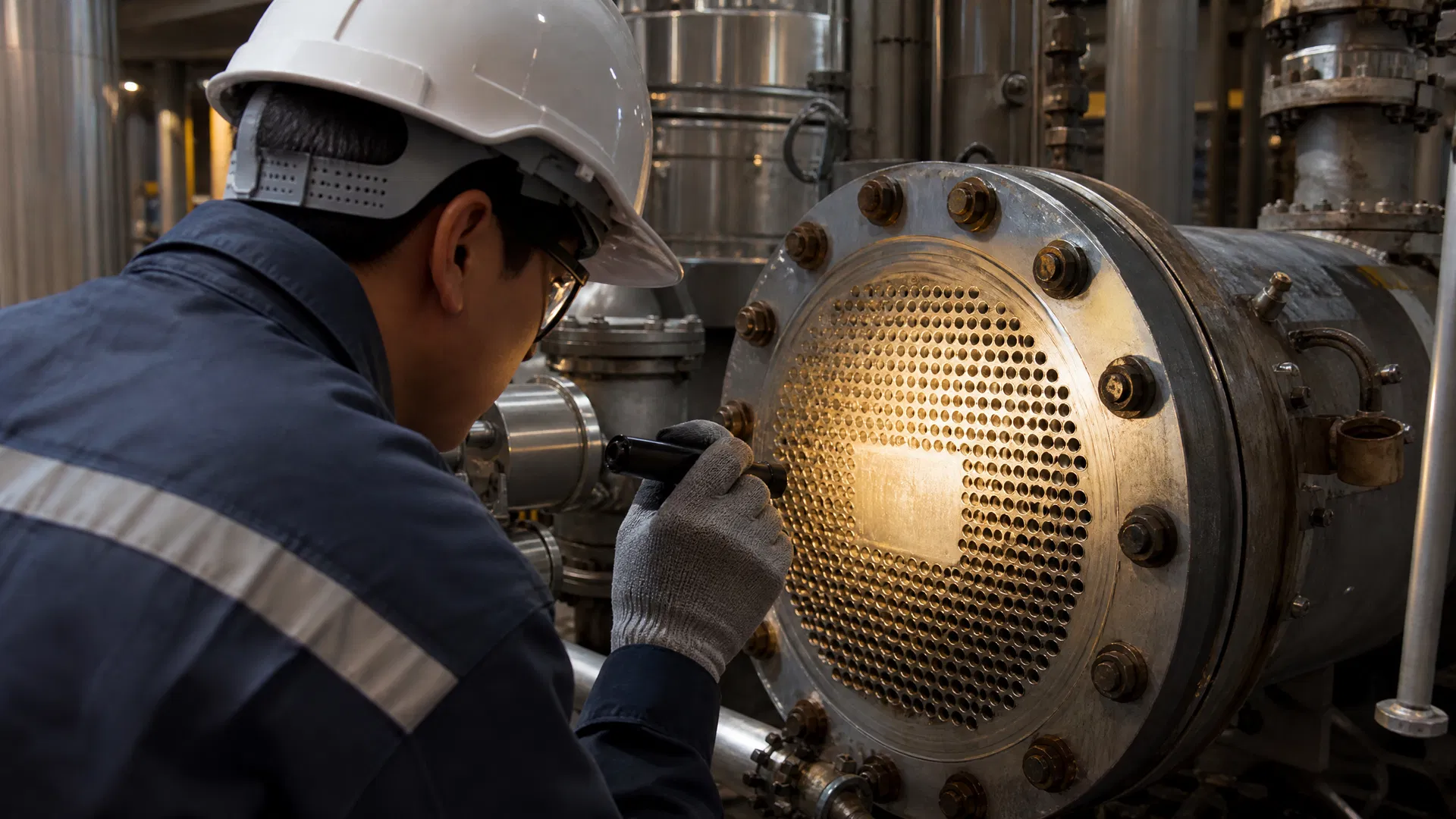
To secure the fastest and most accurate offer for your surplus heat exchanger, you need to provide potential buyers with specific documentation and visual evidence. The most critical piece of information is a clear, legible photograph of the manufacturer's nameplate. The nameplate contains the serial number, model number, year of manufacture, materials of construction, maximum allowable working pressure (MAWP), and design temperatures. In addition to the nameplate, buyers will want to see wide-angle photos of the entire unit to assess its overall footprint and external condition. If you are selling a shell and tube unit, photos of the tube sheets and the interior of the channels are highly valuable for assessing fouling and corrosion. For plate and frame exchangers, noting the number of plates and the condition of the visible gaskets is essential. Finally, providing any available original manufacturer documentation, U-1 forms, or recent inspection reports (such as eddy current testing results) will significantly increase the buyer's confidence and often result in a higher cash offer.
Why is selling to Surplus Heat Exchangers your most efficient option?
When you factor in the time, labor, and logistical costs associated with liquidating industrial assets, selling directly to a specialized buyer like Surplus Heat Exchangers is the most efficient and profitable route for most facilities. We eliminate the waiting game associated with brokers and the lowball offers typical of scrap yards. Our process is designed to be entirely frictionless for the seller.
Here is what you can expect when you choose to sell your surplus equipment to us:
- 100% Upfront Payment: We fund the entire purchase price before our trucks ever arrive at your facility, ensuring zero financial risk on your end.
- Turnkey Logistics: We handle and pay for all heavy rigging, crane lifts, and flatbed freight required to safely remove the equipment from your site.
- Nationwide Purchasing: No matter where your plant is located in the United States, we have the logistical network to acquire and transport your equipment.
- Any Condition Accepted: We buy heat exchangers in all conditions, from brand-new surplus units still in their original crates to heavily used process equipment.
- Fast, Fair Offers: By simply sending us photos and the nameplate data, we can quickly evaluate your asset and present a competitive cash offer.
If you have surplus, idle, or decommissioned heat exchangers taking up valuable space at your facility, do not let them rust away or settle for pennies on the dollar at a local scrap yard. Contact Surplus Heat Exchangers today to turn your idle assets into immediate working capital. Call us directly at 951-403-5738 or email your photos and nameplate information to our secure online quote form for a fast, no-obligation offer.