
To sell a heat exchanger you inherited with a building or facility, start by locating the manufacturer's nameplate to identify the brand, model, and materials of construction. Instead of scrapping it for low material weight values, you can sell it to a specialized buyer like Surplus Heat Exchangers who will pay you 100% upfront and handle all the complex rigging and freight. Simply take clear photos of the unit and its data tag, and contact a buyer for an immediate cash offer.
Surplus Heat Exchangers buys used and surplus heat exchangers nationwide — 100% upfront, with free rigging and freight, in any condition. Send a photo of the nameplate to 951-403-5738 for a same-day cash offer.
What should I do first when I inherit a heat exchanger in a facility?
When you purchase an existing industrial building, manufacturing plant, or commercial facility, you often inherit a variety of leftover mechanical equipment. Among the most valuable assets left behind are industrial heat exchangers. Your first step should be to secure the area and assess the condition of the equipment. Do not immediately call a local scrap yard, as the resale value of a functional or repairable heat exchanger is significantly higher than its raw material scrap value. Take a comprehensive inventory of the mechanical room or process floor. Look for associated piping, valves, and structural supports. Determine if the unit is still connected to the facility's utility lines or if it has been decommissioned and isolated. Safety is paramount, so ensure that all electrical, steam, water, and chemical lines are fully locked out and tagged out before you begin a detailed inspection. By treating the inherited heat exchanger as a valuable asset rather than a nuisance, you position yourself to recover a substantial amount of capital that can be reinvested into your new property.
How do I identify the type and brand of the inherited heat exchanger?
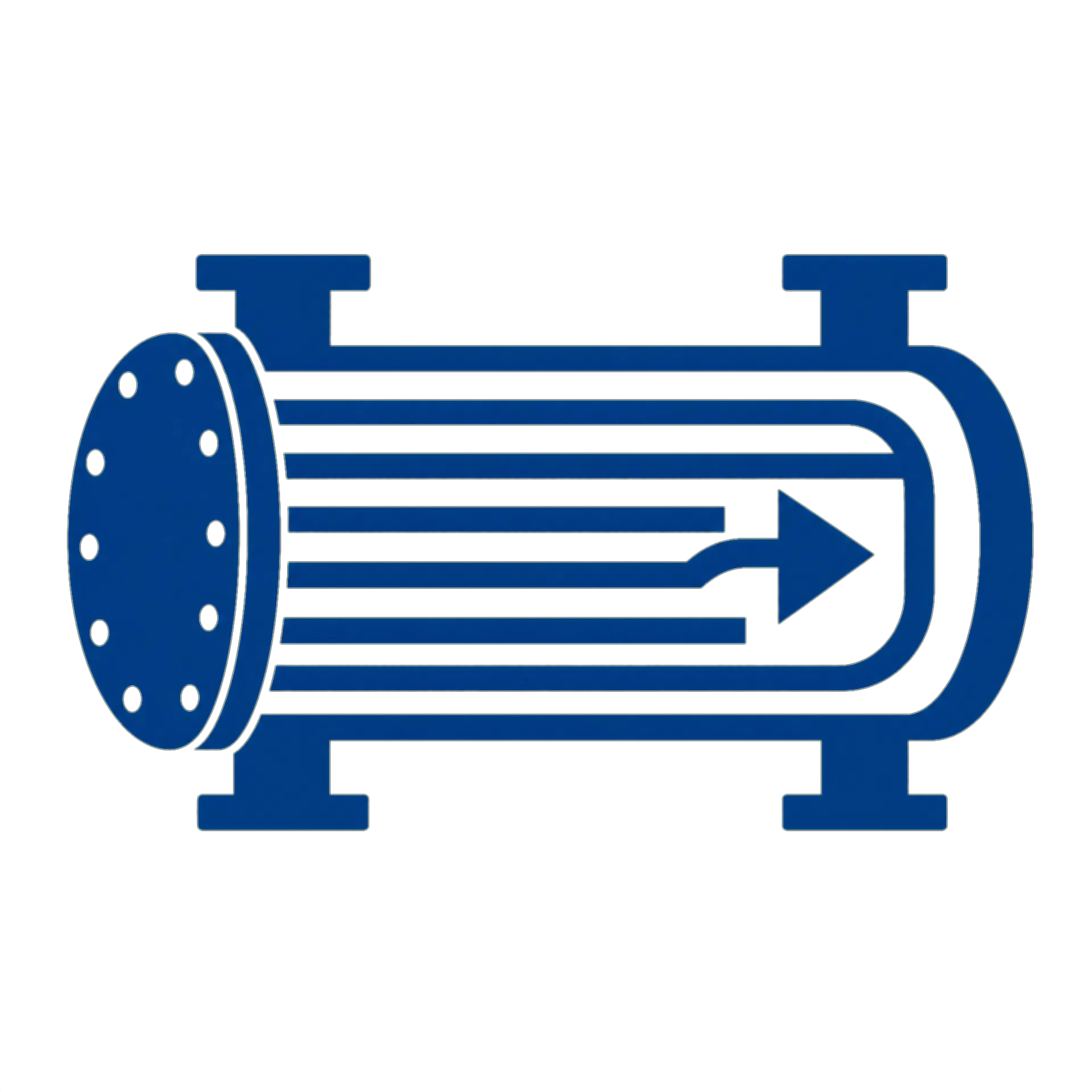
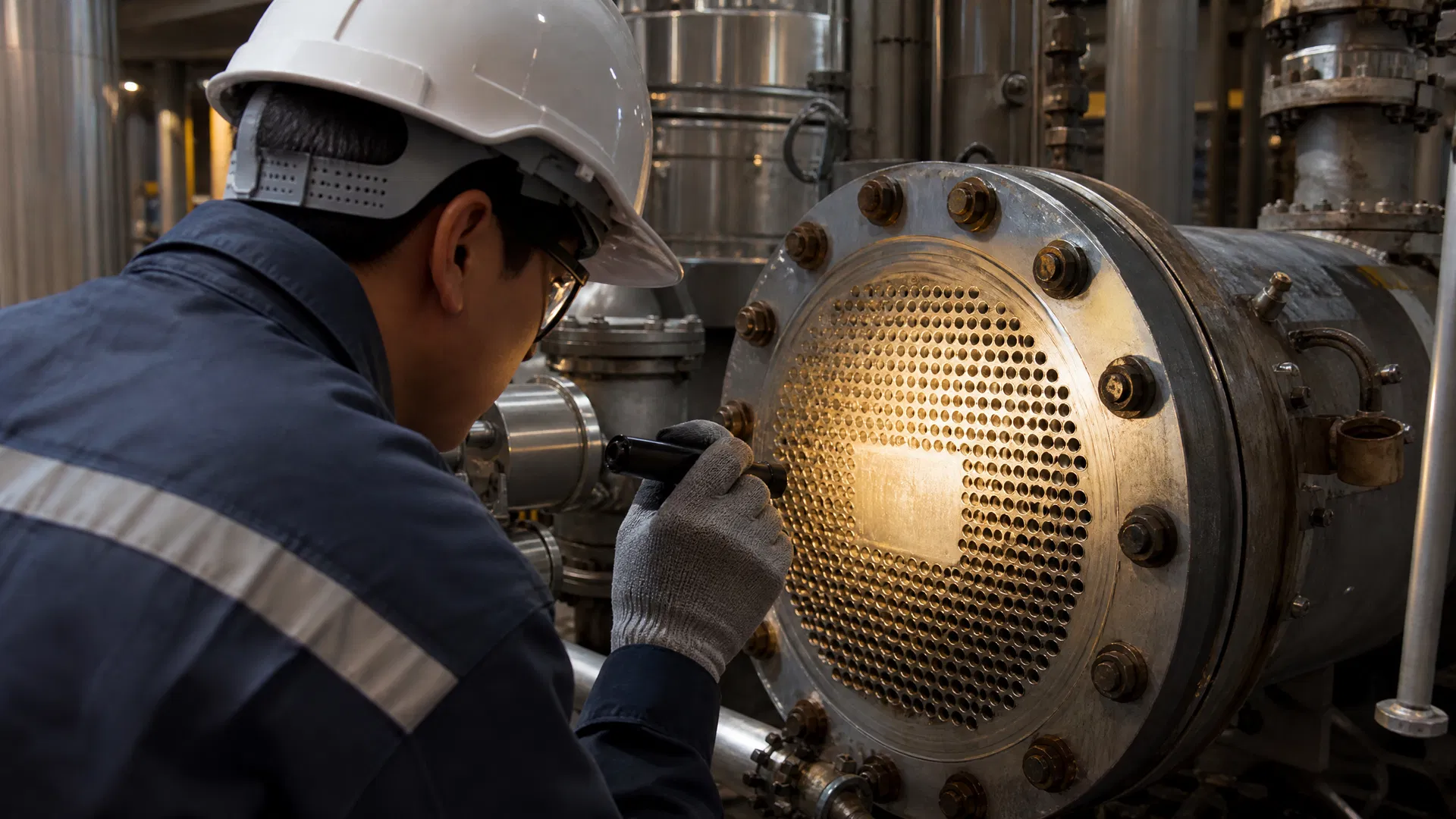
Identifying the specific type of heat exchanger is crucial for determining its market value. The most common types found in industrial facilities are shell and tube heat exchangers and plate and frame heat exchangers. Shell and tube units consist of a large cylindrical shell containing a bundle of tubes, often built to specific TEMA (Tubular Exchanger Manufacturers Association) designations such as BEM, AEL, or NEN. Plate and frame units, on the other hand, feature a series of corrugated metal plates compressed together in a sturdy frame.
To identify your unit, locate the manufacturer's nameplate or data tag. This metal plate is typically riveted or welded to the shell, frame, or channel head. It contains vital information including the manufacturer, model number, serial number, year of construction, design pressures, operating temperatures, and the materials of construction. Look for industry-leading brand names such as Alfa Laval, GEA, Tranter, Standard Xchange, ITT, SPX/APV, Kelvion, or SWEP. If the nameplate is missing or illegible, you can still identify the materials by looking at the color and testing with a magnet. For instance, carbon steel is magnetic and prone to rust, while 300-series stainless steels (like 304 and 316) are generally non-magnetic and corrosion-resistant. Documenting these details is the foundation of getting an accurate valuation.
What is the scrap value versus the resale value of a used heat exchanger?
Many property owners mistakenly assume that heavy, obsolete equipment is only worth its weight in scrap metal. However, the difference between scrap value and resale value for industrial heat exchangers is staggering. Scrap yards pay based on the raw commodity market, which fluctuates daily and offers pennies on the dollar compared to the equipment's functional worth.
For context, current scrap metal prices generally range as follows: carbon steel yields roughly only a baseline commodity rate. Stainless steel is slightly better, with 304 stainless fetching only a baseline commodity rate and 316 stainless bringing only a baseline commodity rate. Non-ferrous metals like copper range from only a baseline commodity rate, admiralty brass from only a baseline commodity rate, cupro-nickel from only a baseline commodity rate, and titanium from only a baseline commodity rate.
In contrast, the resale market values the equipment based on its heat transfer area, materials, and condition. A used shell and tube heat exchanger can resell for roughly a significant premium over scrap based on its heat-transfer surface area. A large unit with thousands of square feet of surface area can be worth tens of thousands of dollars on the surplus market, whereas a scrap yard might only offer a few hundred dollars for the raw weight.
How do I safely disconnect and prepare an inherited heat exchanger for sale?
If the heat exchanger is still installed in the facility's piping system, it must be safely disconnected before it can be sold and removed. This process requires careful planning and adherence to industrial safety standards. First, verify that all connected systems have been depressurized, drained, and purged of any hazardous chemicals, steam, or high-temperature fluids. You may need to consult the facility's historical maintenance records or hire a qualified mechanical contractor to ensure the system is completely isolated.
Once the unit is safe to handle, unbolt the flanged connections rather than cutting the pipes with a torch. Preserving the integrity of the heat exchanger's nozzles and flanges significantly protects its resale value. If you must cut piping, ensure the cuts are made well away from the heat exchanger's main body and connection points. Keep all original components together, including channel covers, bonnets, and any specialized mounting brackets. If the unit is a plate and frame heat exchanger, do not attempt to loosen the tie bolts or disassemble the plate pack, as this can damage the gaskets and plates. Leave the unit fully assembled and intact.
Who handles the heavy lifting, rigging, and freight for large industrial equipment?
One of the biggest challenges of selling inherited industrial equipment is figuring out how to move it. Heat exchangers are incredibly heavy, often weighing anywhere from a few thousand pounds to over fifty tons. Moving them requires specialized rigging equipment, heavy-duty forklifts, overhead cranes, and flatbed or step-deck trailers. For a property owner or facility manager, coordinating this logistics operation can be a logistical nightmare and a significant liability.
Fortunately, when you sell to a specialized buyer like Surplus Heat Exchangers, you do not have to worry about the heavy lifting. We handle all the complex rigging, loading, and freight logistics. Our team coordinates with professional industrial riggers to safely extract the equipment from your mechanical room, whether it requires carefully maneuvering through tight corridors, utilizing skates and jacks, or lifting the unit through a roof hatch with a crane. We cover all the transportation costs and manage the freight scheduling, ensuring the equipment is removed from your property safely, efficiently, and at zero cost to you.
What information do buyers need to make an offer on my heat exchanger?
To get the highest possible offer and expedite the sales process, you need to provide the buyer with clear, accurate information about the inherited equipment. You do not need to be an engineering expert to gather this data; you simply need a smartphone and a tape measure.
Here is a checklist of the information you should gather:
- Clear Photographs: Take wide-angle photos showing the entire unit from multiple sides. Ensure the lighting is adequate so the overall condition is visible.
- Nameplate Images: Take close-up, legible photos of the manufacturer's data tag. This is the most critical piece of information, as it details the brand, model, materials, and pressure ratings.
- Overall Dimensions: Measure the approximate length, width, and height of the unit. For shell and tube exchangers, note the diameter of the shell and the overall length.
- Connection Details: Note the size and type of the inlet and outlet nozzles (e.g., 6-inch flanged connections).
- Current Condition: Note any visible damage, severe corrosion, or missing parts. Be honest about the condition, as specialized buyers purchase equipment in any condition, from like-new to heavily used.
- Location and Access: Provide details about where the unit is located within the facility. Is it on the ground floor with a large roll-up door nearby, or is it in a basement requiring specialized extraction?
Gathering this information allows buyers to quickly assess the unit's specifications and calculate a fair market offer based on its resale potential.
How can I sell my inherited heat exchanger quickly for cash upfront?
When you are clearing out a newly acquired facility, time is often of the essence. You need the space for your own operations, and you want to monetize the inherited assets as quickly as possible. Dealing with auction houses, online marketplaces, or unreliable local buyers can drag the process out for months, with no guarantee of a sale.
The fastest and most secure way to sell your inherited heat exchanger is to contact Surplus Heat Exchangers directly. We are a nationwide buyer specializing exclusively in industrial heat transfer equipment. We buy equipment in any condition, whether it is a pristine Alfa Laval plate exchanger or an older Standard Xchange shell and tube unit that has been sitting idle for years.
Our process is designed to be completely frictionless for the seller. Once you send us photos and the nameplate information, we will quickly evaluate the equipment and provide a competitive offer. Most importantly, we pay 100% upfront before the equipment ever leaves your facility. There are no hidden fees, no waiting for the unit to sell on consignment, and no freight charges deducted from your payout.
If you have inherited a heat exchanger and want to turn it into immediate capital, do not let it rust away or sell it for pennies at a scrap yard. Call Surplus Heat Exchangers today at 951-403-5738 or email your photos and details to our secure online quote form. We will provide a fast, fair offer, pay you cash upfront, and handle all the heavy lifting to clear your facility.